
A good retreat breaks that loop. The best ones mix business strategy, peer connection, rest, and room to think, instead of piling on more meetings.
Burnout is a real risk. Gallup's 2025 analysis found that 29% of women in leadership roles experienced burnout, versus 19% of men. This guide shows how to judge format, facilitators, cost, group fit, and follow-up before you book.
Key Takeaways
- Retreats range from strategy intensives to wellness, creative, and nature-based programs.
- Choose by outcome: clarity, planning, networking, recovery, or creative renewal.
- Compare facilitator, group size, inclusions, total price, and attendee feedback.
- Confirm dates, cancellation terms, and whether the program truly targets entrepreneurs.
Overview of Female Entrepreneur Retreats in the U.S. Market
A female entrepreneur retreat is a focused experience where women business owners, founders, or freelancers leave their usual environment to learn, reflect, network, or plan.
The pool of potential attendees is large. The Census Bureau's 2025 release reported 14.2 million women-owned businesses in 2023. That counts business owners, not retreat demand.

Common U.S. formats include:
- Business masterminds and strategic planning intensives
- Leadership workshops and coaching programs
- Creative retreats for makers and content-driven businesses
- Wellness and burnout-recovery programs
- Nature immersions
- Private retreats organized for a specific group
Dates, prices, and policies change. Confirm everything with the organizer before you pay.
How to Choose a Women's Entrepreneur Retreat
Start from the outcome you need, then work backwards to the format. Most founders are choosing between a handful of broad types, and the right one depends on what you want to be true when you get home.
- A concrete plan. Strategy intensives and masterminds, built around facilitated sessions and a written roadmap.
- Recovery. Wellness and burnout programs that protect sleep, movement, and unstructured time.
- Creative renewal. Retreats for makers and content-driven businesses, built around hands-on work.
- Perspective. Nature immersions and digital detoxes that get you out of the inbox long enough to think.
- Confidentiality. A private retreat for an existing peer group, with custom goals and flexible scheduling.
Then test the program against the promise. "Women's retreat" and "entrepreneur retreat" are not the same thing, and plenty of programs serve a general audience with one business session bolted on. Ask for the facilitator's background, the session list, the group size, and the balance of structured work to free time. Compare the total price rather than the headline figure, and read the cancellation terms before you pay.
Our featured pick: Raven's Retreat Hocking Hills
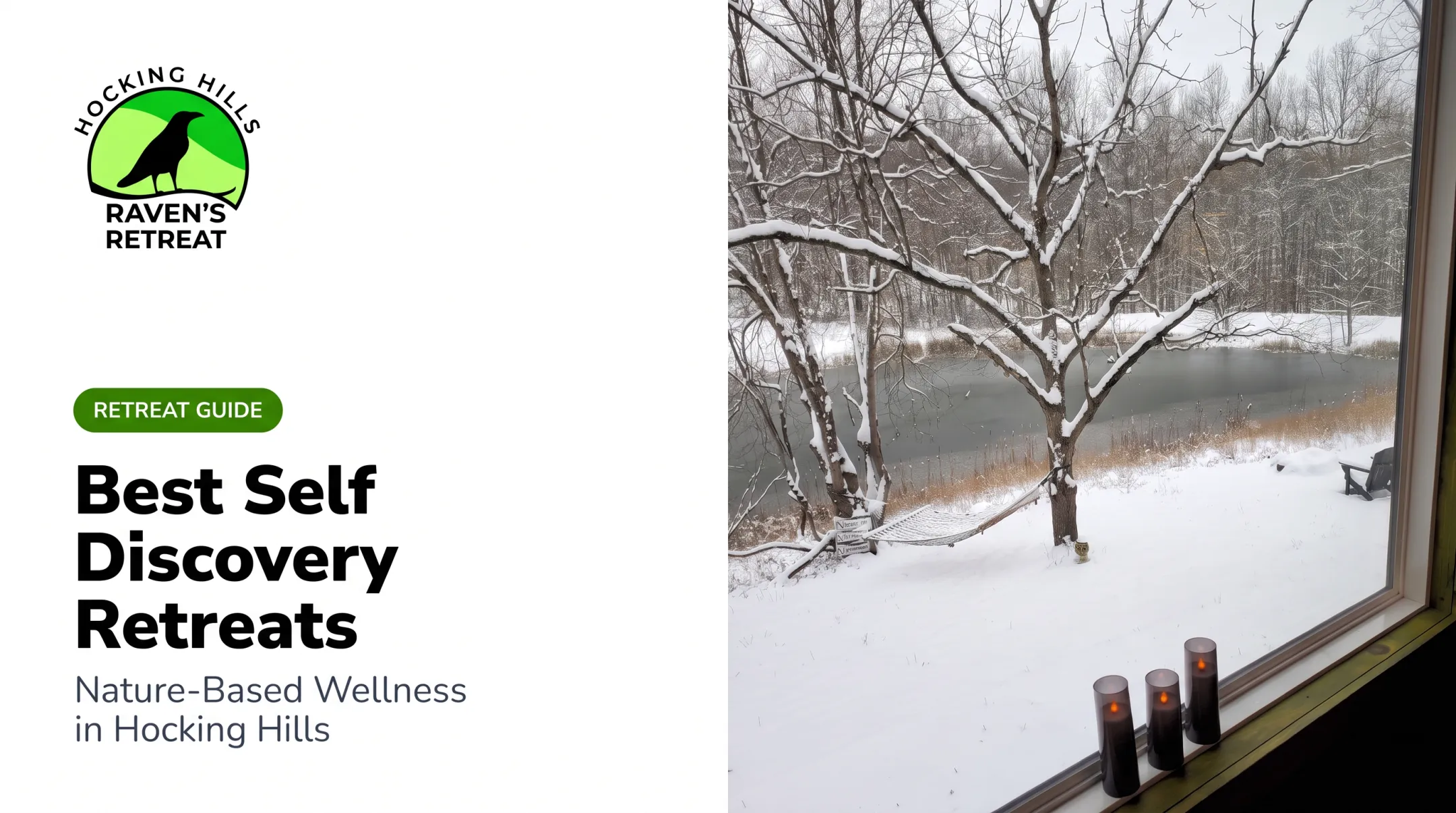
Raven's Retreat Hocking Hills is an adults-only art and wellness retreat center on a 58-acre private nature preserve in Hocking Hills, Ohio, about an hour from Columbus.
It hosts women-only retreats, including the Women's Digital Detox Retreat: a weekend for women, capped at 10 guests, at $1,000 per person all-inclusive. Come on your own, no group required. Women's retreats run in fall, winter, spring, and summer, so if the next date doesn't work, message Raven to join the waitlist.
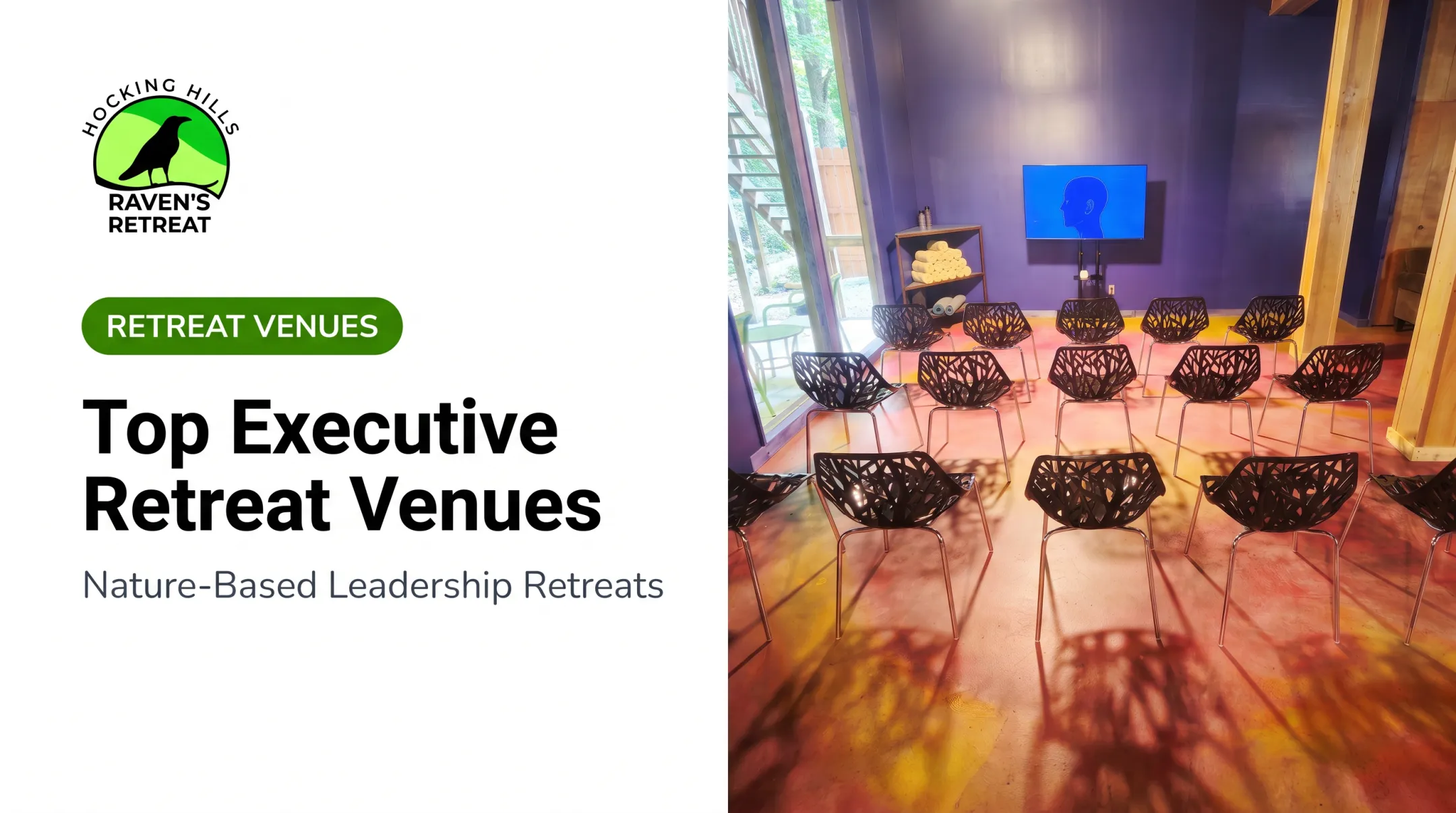
For an established peer group, the property also hosts private masterminds for leadership development and strategic visioning, with a full-property buyout option. A private format offers confidentiality, custom goals, flexible scheduling, and a mix of work and rest.
| Detail | Information |
|---|---|
| Joinable women's retreats | Capped at 10 guests; $1,000 per person, all-inclusive |
| Sleeping capacity | Up to 18 overnight guests across the Art Lodge and Art Bungalow |
| Day retreats | Groups up to 20, by appointment |
| Spaces | Meeting areas, wellness amenities, indoor and outdoor gathering spaces |
| Add-ons | Private chef, yoga, breathwork, sound bath, NLP, forest bathing |
| Technology | High-speed internet |
| Pricing | Women's retreats start at $1,000 per person. Private masterminds are custom quoted |
| Cancellation | Written cancellation terms provided at booking |

How to Compare Retreats Before You Book
Work from official program pages and current booking information, and separate scheduled retreats from venues that only rent space.
What to weigh:
- Entrepreneur or business-leader focus in the program
- Facilitator experience and clear learning goals
- Balance of structured sessions and free time
- Peer fit and whether lessons transfer back to your business
- Total cost, lodging, meals, travel, and exclusions
- Accessibility, tech expectations, and cancellation terms
The FTC's travel advice is to read refund policies before paying and check for extra costs. A cancellation waiver is not travel insurance, so check policy terms.
Those filters still fall short if you book on impulse. Common mistakes include:
- Picking a beautiful destination without reading the curriculum
- Assuming every women's retreat is business-focused
- Ignoring group dynamics
- Booking without a clear intention
- Expecting a retreat to replace ongoing coaching
Define one to three outcomes first. Then ask organizers how those are supported during the event and afterward, through check-ins, alumni groups, or planning materials.

Conclusion
The best retreat is the one whose audience, facilitation, setting, schedule, and follow-up match your goals right now. Luxury and price matter less than that fit.
Compare full costs, read recent reviews, confirm inclusions, and block time afterward to turn insights into specific actions.
Gathering a founder group or joining a women's retreat? Talk With Raven. It starts with a free 15-minute consult.
Frequently Asked Questions
What is the average cost of a retreat?
No national average exists. Price depends on length, lodging, meals, coaching, and travel. The programs above range from $575 to $3,400, so compare total cost, not just the deposit.
Are corporate retreats still a thing?
Yes. Organizations use them for planning, team connection, and leadership development. They work best with clear objectives, tailored sessions, and follow-through, as HBR's offsite research describes.
What is the purpose of a business retreat?
Strategic reflection, decision-making, relationship-building, and recovery from routine demands. A retreat creates conditions for progress but doesn't guarantee results.
What do they do at a women's retreat?
Typical activities include workshops, coaching, mastermind discussions, journaling, networking, wellness sessions, creative exercises, and outdoor time. Schedules vary widely.
What is an annual retreat?
A yearly gathering for planning, reflection, or renewal. Repeating it builds a regular review and accountability rhythm.