
The right pick depends on your retreat's purpose, team size, energy level, comfort levels, physical abilities, and setting. Research on team building shows a moderate positive link with outcomes like team processes and attitudes, but that supports purposeful planning, not any single game.
Below you'll find ideas from quick icebreakers to creative, outdoor, and wellness-focused experiences, plus guidance on inclusion, safety, and agenda design.
Key Takeaways
- Pick activities that serve one specific outcome, such as onboarding or cross-team trust.
- Mix low-pressure connection, collaborative challenges, and unstructured time.
- Offer several ways to participate so everyone contributes.
- Use the setting on purpose: nature, art, meals, and wellness.
How to Choose the Right Team Building Activity for Your Company Retreat
Start with the outcome
Decide on one or two priorities before you plan the schedule:
- Introductions and trust-building
- Communication or creative thinking
- Cross-department collaboration
- Leadership development
- Celebration or recovery after a demanding stretch
Pick activities that let the team practice those skills. Trying to fix everything in one retreat fixes nothing.
SHRM guidance recommends setting a clear business goal and weighing group size and participant abilities.
Match the activity to your people
- Small teams can handle deeper discussion and hands-on projects.
- Large groups do better in pairs or small squads.
- New teams need low-stakes introductions.
- Executive groups often want strategy time mixed with real downtime.
- Remote or hybrid staff need roles that aren't passive.
Ask who enjoys competition and who prefers quiet reflection. HBR notes that competition can produce anxiety or excitement depending on how leaders frame it. Either way, skip activities that force public speaking, physical contact, personal disclosure, or singling people out.
Balance energy and setting
Combine a low-pressure opener, a collaborative problem-solving activity, and a calmer social or reflective experience. Plan indoor and outdoor options so weather, accessibility, or preference doesn't shut anyone out.

Count the real costs
Beyond the activity fee, budget for:
- Transportation and lodging
- Supplies and setup/cleanup
- Facilitators
- Meals
- Technology
- A backup plan
Decide which activities your own leaders can run and which need a professional facilitator.
Debrief lightly
Spend five minutes on what people noticed about communication, listening, or decision-making. Tie it to the team's goal. Don't over-analyze a fun activity or label individuals' behavior.
Team Building Activity Ideas for Company Retreats
Low-pressure icebreakers
- Human Bingo
- Two Truths and a Lie
- Team trivia
- Preference chains
- "Whose memory?" games
Customize prompts so nobody has to share anything sensitive. These work during arrival, welcome receptions, or the opening session because they spark short conversations without making anyone perform for the room.
Creative problem-solving activities
| Activity | Skill practiced | Format | Debrief question |
|---|---|---|---|
| Silent lineup | Nonverbal communication | Whole group | What strategies emerged without talking? |
| Back-to-back drawing | Clear instructions | Pairs | Which words helped most? |
| Collaborative storytelling | Listening, building on ideas | Small groups | How did you build on others? |
| Escape room | Division of tasks | Teams of 4-8 | Who took which role? |
| Tower or bridge building | Planning under constraints | Small teams | What would you change? |
| Desert-island prioritization | Negotiation | Small teams | How did you reach agreement? |
Materials are minimal: paper, markers, tape, spaghetti, and index cards. An LSE study used escape rooms to observe collaboration and noted more participatory leadership in higher-performing groups. The research observed behavior; it did not show that escape rooms improve performance.

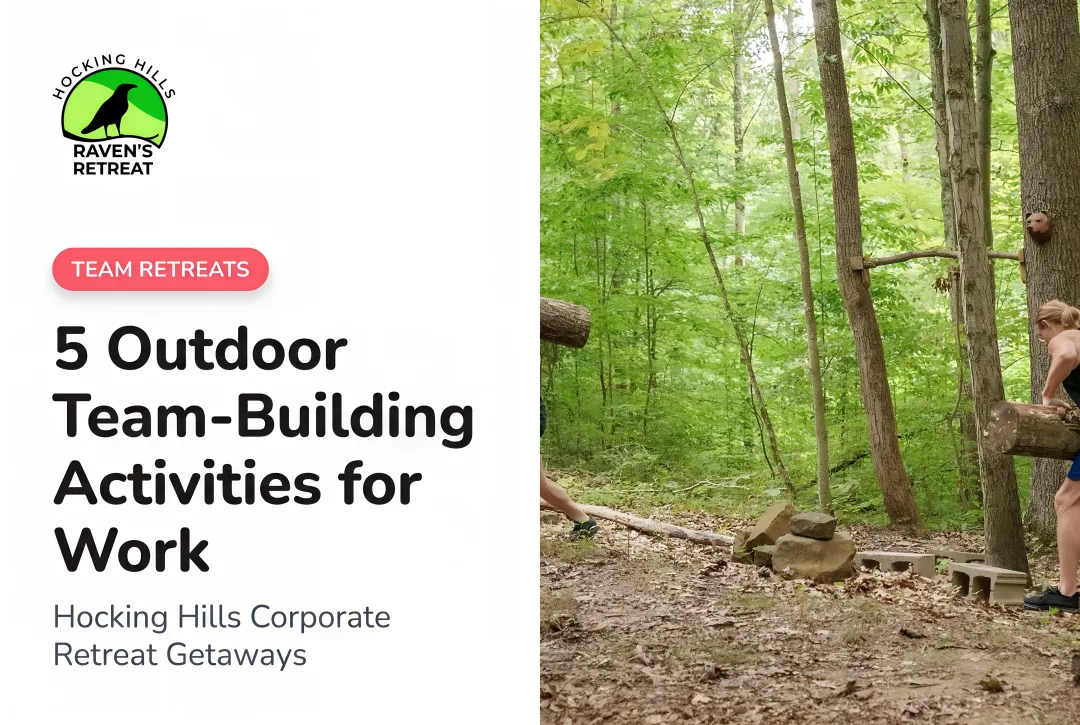
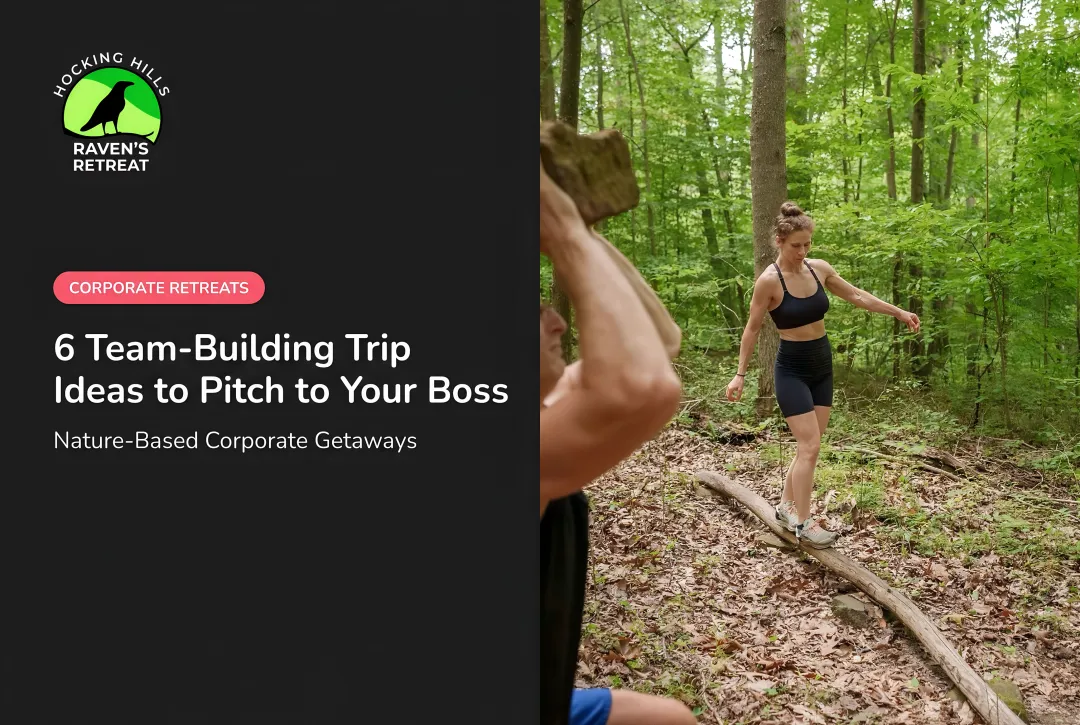
Outdoor and nature-based activities
Activities that build shared memory include:
- Scavenger hunts
- Guided nature walks
- Team photo challenges
- Low-impact hikes
- Observation prompts
Offer route options for different fitness levels, avoid anything that rewards only speed or athleticism, and keep an indoor backup ready.
Walking also helps thinking. A 2014 study found walking produced more creative responses than sitting, though it tested individuals, not teams.
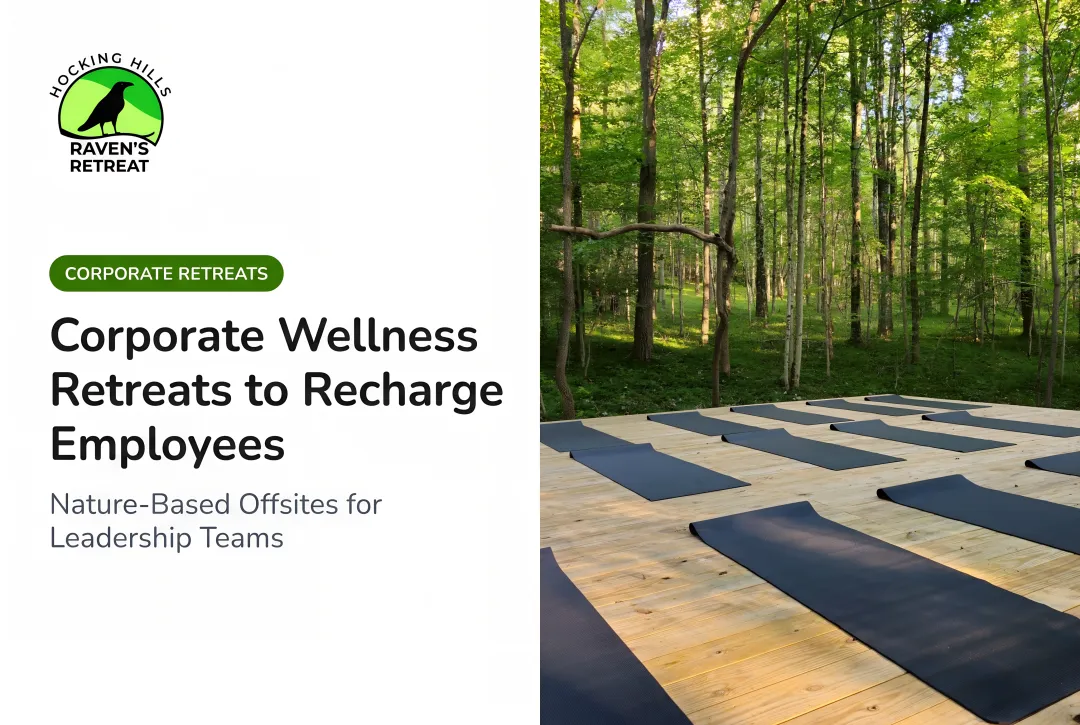
Art, wellness, and sensory activities
- Collaborative art projects
- Mindful observation outdoors
- Guided breathwork or meditation
- Journaling
- Sound or music prompts
- Workshops led by a local artist
These support connection without competition, intense disclosure, or heavy exertion. Verify provider credentials and make participation voluntary.
Shared meals and relaxed social time
Cooking workshops, campfire story bowls, board-game lounges, appreciation circles, and plain group meals create conversation that structured agendas rarely match. Protect unstructured time. Let people choose how social they want to be rather than programming every hour.
15-Minute and Flexible Team Building Activities for Retreats
Quick activities between sessions
- Silent lineup (8-30 people, no prep): line up by birthday without speaking. Practices nonverbal cues.
- 21 Count (groups of 6-12): count to 21 one voice at a time, restarting if two speak together. Practices listening.
- One-word storytelling (circles of 5-10): each person adds one word. Practices building on others.
- Rock-paper-scissors tournament (any size): losers cheer for winners. Resets energy fast.
- Quick trivia (teams of 4-6): needs only a few prepared questions. Sparks friendly competition.
- Two-minute appreciation prompts (pairs): name one thing a colleague did that helped you.
Adapt for large, small, remote, and hybrid teams
Split large groups into pairs or small teams and rotate facilitators. Use a shared document or whiteboard so remote participants can contribute, and give them real jobs: timekeeper, scribe, or question-asker.
HBR's 2024 guide offers activities for in-person, remote, and hybrid teams. When a physical activity won't work, convert it to a tabletop, visual, or discussion format.
Use discussion topics to deepen connection
Optional work-appropriate prompts tied to your retreat goal:
- How I work best
- A lesson from a recent project
- What our team should protect
- What we want to improve
- Our shared values
- Ideas for supporting well-being
How to Make Company Retreat Activities Inclusive, Safe, and Effective
Give people real choices
Offer a comparable alternative for anything involving running, hiking, heights, water, public performance, food prep, or physical contact. Opting out shouldn't cause embarrassment. Observers, photographers, timekeepers, and idea contributors all count as participants.
Plan for accessibility and dietary needs
Before finalizing the agenda, confirm:
- Walking surfaces, seating, and rest areas
- Restroom access and transportation
- Dietary restrictions and allergies
- Technology and communication needs
Collect needs privately and avoid assumptions about health, age, family status, culture, or ability. Ask venues directly about terrain. Raven's Retreat, for example, is not a fully accessible property. Stairs, hills, and uneven natural trails are part of the setting, so guests with mobility concerns should contact the retreat before booking.
Set safety and consent expectations
Skip trust falls, forced vulnerability, blindfolds, unwanted touching, alcohol-dependent games, and anything pressuring personal disclosure. Edmondson's research links psychological safety with team learning, not with trust falls or forced personal disclosure.
For outdoor activities, require clear instructions, supervision, equipment checks, and emergency procedures. The CDC advises seeking enclosed shelter when thunder is heard.
Gather feedback and follow through
Ask what helped people connect, what felt uncomfortable, and what to change. Then carry one or two commitments into regular meetings so the retreat changes how the team works afterward.
Planning a Retreat Agenda and Choosing the Right Setting
Sequence from connection to collaboration to reflection
- Arrival and a low-pressure icebreaker
- A shared meal or creative activity
- The main team challenge, when energy is highest
- Reflection, appreciation, and next steps

Leave room for breaks, meals, rest, and private time. A packed schedule defeats the point.
Choose a setting that fits the goal
When you compare venues, check:
- Indoor meeting space and outdoor areas
- Privacy, lodging, and room for the whole group to gather
- Wi-Fi, weather backups, and food service
Nature settings support digital breaks, walking conversations, and a stronger sense of shared experience. Evidence that nature directly improves collaboration is thin, though some studies link it to better attention and lower stress markers.
Consider Raven's Retreat Hocking Hills
Raven's Retreat Hocking Hills is an adults-only art and wellness retreat center on a 58-acre private nature preserve in Hocking Hills, Ohio, about an hour from Columbus, with indoor and outdoor spaces. Full-property buyouts are available. The Sculptor's Art Lodge sleeps 16 and the Sculptor's Art Bungalow adds 2, up to 18 overnight. Day retreats host up to 20.
Options include:
- Creative programming and wellness add-ons
- Somatic breathwork with Raven, a certified somatic breathwork coach
- Sculpture workshop with Dustin in the SculptDecor studio (every guest keeps their piece)
- Forest fitness stations on the wellness trail
- Guided forest bathing on 1 mile of private trails
- Painting by the pond or in the forest
- Live sculpture performances by master sculptor Dustin Weatherby
Planning a company retreat? Talk With Raven. It starts with a free 15-minute consult. Raven's Retreat hosts team retreats, including an improv team retreat. For more ideas, see our guide to corporate offsite ideas.
Frequently Asked Questions
What are some fun team building activities for a work retreat?
Scavenger hunts, building challenges, cooking workshops, trivia, nature walks, and art activities all work. The best choice depends on your team's goals and comfort levels.
What are some examples of team building activities?
Common categories include icebreakers, communication exercises, problem-solving challenges, outdoor activities, creative workshops, wellness sessions, shared meals, and reflection activities.
What are some 15-minute team building activities?
Try silent lineups, 21 Count, quick trivia, Two Truths and a Lie, one-word storytelling, appreciation prompts, or short partner discussions. All need little preparation.
What are some good topics for a retreat?
Communication, trust, collaboration, company values, cross-functional understanding, creative problem-solving, strategic priorities, recognition, and team wellbeing.